In Voice We Trust
How Voice Analysis works!

Vocal Biomarker Technology
Our belief is simple: everyone wants better health.
Our mission is to help 100,000 people reach it by next year.
Holistic Health & Root Causes
Holistic practitioners focus on the underlying dysfunctions that lead to symptoms.
As Thomas Edison said, “The doctor of the future will give no medicine, but will interest his patients in the care of the human frame, in diet, and in the cause and prevention of disease.”
The World Health Organization defines health as a state of complete physical, mental, and social well-being.
Our approach addresses the physical, mental, emotional, social, and spiritual dimensions together.
Voice doesn't lie!
“Your voice is the fingerprint of your nervous system.”
Why the Voice Doesn’t Lie
With 14,933,397 possible report permutations, every Alignment Assessment is truly unique. Vocal biomarkers capture patterns that cannot be consciously manipulated.
People don’t know which specific vocal features are analyzed (brainwave, organ, emotional, or chakra-related frequencies), and these features are largely involuntary—authentic indicators of inner states.
That’s why vocal analysis is a powerful, objective method for detecting holistic health patterns—often before the speaker is aware of them.
100% Non-Invasive Assessment
Developed in Europe, the core technology draws on Quantum Physics, Biochemistry, Epigenetics, and Psychology, connecting vocal vibrations and brain waves to emotional and physiological states using AI, machine learning, and big-data analytics.
- Quantum Physics: Behavior of matter and energy at atomic/subatomic scales.
- Biochemistry: How molecules like proteins and DNA drive life processes.
- Epigenetics: How environment and behavior switch genes on/off without DNA changes.
- Psychology: The science of how we think, feel, and act.
Key Concepts at a Glance
“Clarity reduces anxiety—here’s the glossary you’ll actually use.”
- Artificial Intelligence: Computers performing tasks that mimic human cognition.
- Machine Learning: Systems that improve automatically from data.
- Big Data: Extremely large, complex datasets analyzed for patterns.
- Algorithm: A step-by-step set of instructions to solve a problem.
- Vocal Biomarker: A measurable voice feature associated with specific conditions or outcomes.
- Biofeedback/Bioinformatics: Using physiological data to understand and retrain body responses.
- Emotional Intelligence: Recognizing, understanding, and using emotions effectively.
Objective & Universal by Design
“No questionnaires. No language barriers. No human bias.”
- No leading questions or subjective responses.
- Works in any language and for any age.
- Focuses solely on voice frequencies and brainwave activity.
The result is an objective, repeatable, and accessible view of your holistic health.
Your Voice & Nervous System
Speech requires precise coordination across the brain, nerves, respiratory system, and language centers. The face alone has 43 muscles, and the tongue’s 8 muscles support articulation up to 130 words per minute.
When the brain struggles to coordinate these systems—as in depression, neurological disease, or high stress—subtle changes appear in the voice.
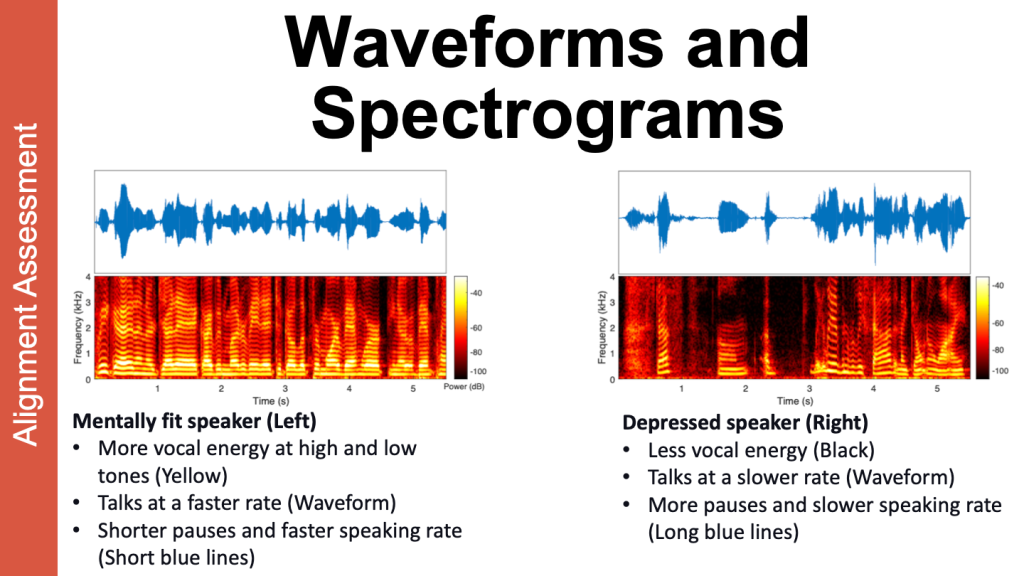
Mental Fitness vs. Depression in Speech
- Mentally Fit Voices: higher energy, faster rate, shorter pauses, dynamic pitch.
- Depressed Voices: reduced energy, slower rate, longer pauses, flatter pitch.
Advanced signal processing quantifies these patterns beyond what the ear alone can detect.
The Vagus Nerve & Therapeutic Frequencies
The vagus nerve—our longest cranial nerve—links the brain to major organs and strongly influences vocal tone and heart rate.
Therapeutic vagus nerve stimulation often uses frequencies in the 10–30 Hz range, with some studies applying 130–180 Hz for specific outcomes.
An X-Ray for the Mind & Body
Think of the Alignment Assessment like an X-ray that reveals physical, emotional, mental, and spiritual patterns—so you can see what to correct and how to balance.
Why Voice Analysis Wins
| Method | Strengths | Limitations vs. Voice |
|---|---|---|
| DNA Testing | Rich genetic data | Does not link moment-to-moment emotional states |
| Blood/Saliva/Urine | Detects biochemical markers | Less sensitive to subtle neuro-emotional dynamics |
| Wearables | Continuous physiological tracking | Limited view of deeper organ/emotional signatures |
| Voice Analysis | Non-invasive, rapid, objective, emotion-linked | Captures millions of acoustic data points in minutes |
The Hidden Language of the Voice
- Smoothness (Jitter): nervousness, fatigue, or inflammation can reduce it.
- Control (Shimmer): stress/inflammation can diminish vocal stability.
- Liveliness (Pitch Range): lower range can sound monotone and reflect low mental energy.
- Energy Range (Loud ↔ Soft): dynamic range signals engagement and vitality.
- Clarity (Articulation): reduced clarity often appears under cognitive or mood strain.
Biology, Endocrine & Immune Links
Voice reflects neurocognitive, endocrine, and immune activity.
Conditions like arthritis, lupus, diabetes, hypothyroidism, and even cardiovascular disease can alter vocal qualities.
Because the vagus nerve connects heart and voice, changes in cardiovascular function often surface as audible patterns.
Stress Pathways & Health
Mental stress activates the amygdala and sympathetic nervous system, up-regulating the HPA axis and increasing inflammatory cytokines.
These changes influence vascular health and can accelerate atherosclerotic processes. (Atherosclerosis develops slowly as cholesterol , fat, blood cells, and other substances in your blood form plaque in the walls of arteries)
Stress not only affects the body—it also shapes inner dialogue and voice.
The Power of Frequency
Voice analysis spans ~80–20,000 Hz and extracts 10,000+ critical markers per recording.
Many practitioners in vibrational medicine note that healthier tissues tend to resonate above ~62 Hz, while lower frequencies may correlate with vulnerability.
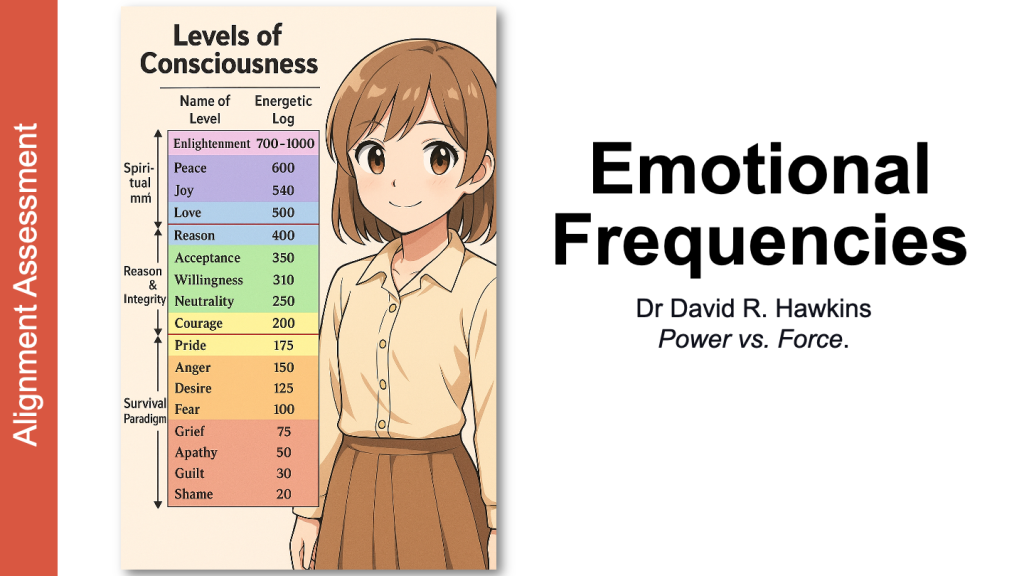
Frequency-based perspectives also appear in discussions of organ, chakra, and emotional signatures.
Organ Frequency Ranges
“If you can’t name it, you can’t tame it!"
Chakra–Note–Frequency
- Root (C): 396 Hz
- Sacral (D): 417 Hz
- Solar Plexus (E): 528 Hz
- Heart (F): 639 Hz
- Throat (G): 741 Hz
- Third Eye (A): 852 Hz
- Crown (B): 963 Hz
These ranges are presented for holistic health context and are commonly referenced in complementary health traditions.
Emotional Frequencies & Awareness
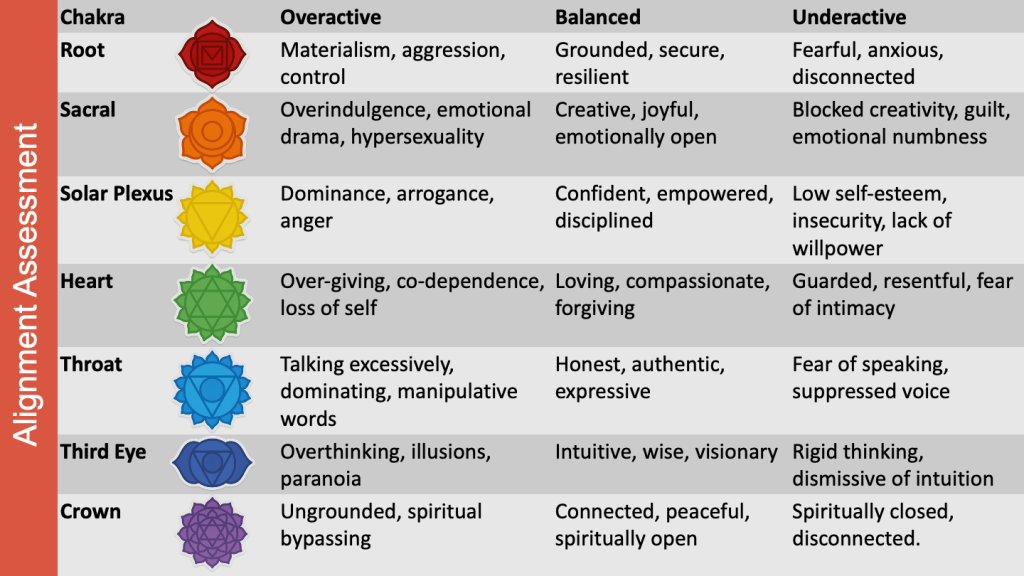
Emotions carry energetic qualities often described in frequency terms. As awareness grows, regulation improves.
A popular map of emotional states ranges from low-energy states (shame, fear) to high-energy states (love, joy, peace).
Naming the state is the first step toward change.
| Emotion | Illustrative Frequency |
|---|---|
| Shame | ~20 Hz |
| Fear | ~100 Hz |
| Courage | ~200 Hz |
| Reason | ~400 Hz |
| Love | ~500 Hz |
| Joy | ~540 Hz |
| Peace | ~600 Hz |
This table reflects the breakthrough work of Dr. David Hawkins in the book Power vs. Force.
Bias-free
Frequently Asked Questions
“Clarity first. Confidence next.”
How long does it take?
90 seconds to analyze your voice; your report is generated within seconds.
Is it invasive?
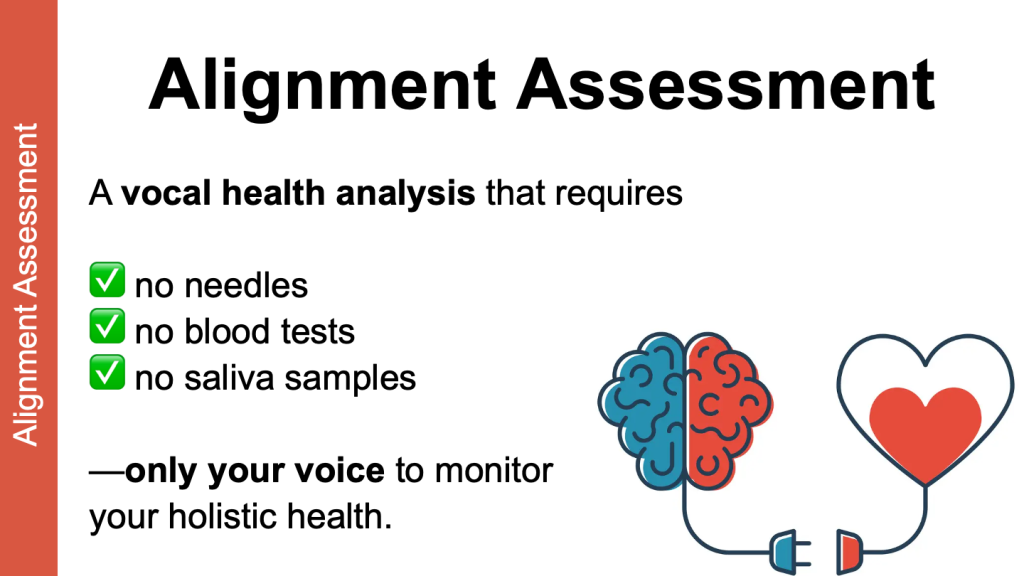
No. There are no needles, no blood, no pain—just your voice.
What will I learn?
Patterns across physical, emotional, mental, and spiritual domains; potential organ and hormonal imbalances; and practical suggestions for alignment.
Who is it for?
Individuals, clinicians, therapists, and teams seeking objective, bias-free insights through a fast and accessible modality.
Does language matter?
No. The analysis focuses on voice qualities and frequency patterns rather than specific words.